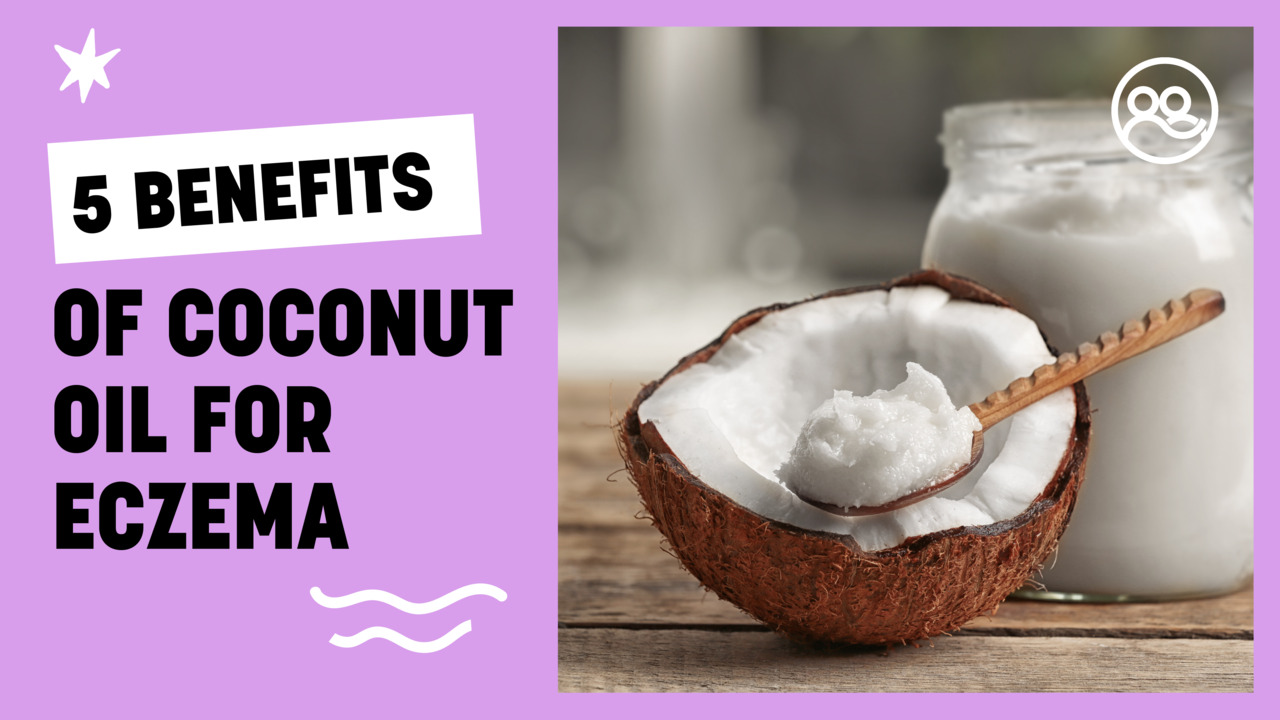
Coconut extracts are distinct from coconut oil. Glyceryl laurate, monolaurin, and lauric acid are derived directly from coconut oil. However, they possess very different properties.
The most significant difference is their comedogenicity. These specific coconut extracts are completely non-comedogenic, meaning they won’t clog your pores. Coconut oil, in stark contrast, is highly comedogenic and causes severe breakouts for many.
These specific coconut extracts have rapidly grown in popularity for skincare products. They are valued for their impressive anti-inflammatory, antibacterial, and moisturizing properties.
These natural compounds show particular effectiveness in treating acne, inflammation, and sensitive skin concerns. This blog will explore exactly why these coconut oil derivatives appear in top acne skincare products, even though coconut oil itself is comedogenic.
To find the best products for your unique skin type, take our free quiz today! As a thank you for engaging with our educational content, use the code STSblog20 at checkout. This will give you 20% off your entire order!
Key Benefits of These Coconut Derivatives:
Glyceryl laurate, monolaurin, and lauric acid are strictly non-comedogenic.
They are completely safe for use during pregnancy and breastfeeding.
They exhibit powerful anti-microbial activity against acne-causing bacteria, fungi, yeast, and Malassezia species.
They help massively reduce inflammation by inhibiting pro-inflammatory pathways.
Coconut Extracts in Skincare
Several types of coconut extracts are heavily used in modern skincare formulations. The most common and research-backed ones are glyceryl laurate, monolaurin, and lauric acid.
Glyceryl Laurate
Glyceryl Laurate is a monoester that forms from the combination of glycerin and lauric acid. It is an incredibly versatile ingredient that skincare products frequently feature.
This is due to its potent emollient, emulsifying, and antimicrobial properties. Both glyceryl laurate and lauric acid come directly from coconut oil, making their natural origin evident.
Lauric Acid
Lauric Acid is a medium-chain saturated fatty acid extracted directly from coconut oil. It demonstrates incredibly strong antimicrobial activity, particularly effective against stubborn bacteria and fungi.
In skincare, it is valued for its unique ability to penetrate the skin and provide deep hydration. Lauric acid is completely non-comedogenic, making it suitable for both acne-prone and highly sensitive skin types.
Monolaurin
Monolaurin is a glycerol ester of lauric acid and is considered a very gentle compound. It is widely known for its anti-inflammatory and antibacterial properties that effectively soothe the skin.
It also prevents severe irritation and itching that can occur when microbes enter cracks in very dry skin. Monolaurin is often used to prevent microbial infections without causing any further irritation.
Types of Products Featuring These Ingredients
Glyceryl laurate, monolaurin, and lauric acid are highly versatile ingredients. You can find them in a wide array of skincare products, ranging from everyday cleansers to rich, healing moisturizers.
VMV Hypoallergenics is a notable brand that prominently features glyceryl laurate in its allergen-free product lines.
Cleansers with Coconut Extract
In cleansers, these extracts serve a key purpose: they help to remove impurities from the skin without stripping away essential lipids. This is particularly important for individuals with dry or sensitive skin, as harsh cleansing can severely exacerbate existing skin issues.
Moisturizers with Coconut Extract
In moisturizers, these coconut-derived ingredients offer massive dual benefits. They provide essential hydration while actively helping to repair the damaged skin barrier.
They form a protective layer that prevents water loss, keeping the skin deeply hydrated and fortified against environmental stressors.
Comprehensive Benefits of These Ingredients
The benefits of glyceryl laurate, monolaurin, and lauric acid in skincare are highly extensive. They are particularly valuable for those dealing with severe acne, sensitive skin, or painful inflammatory conditions.
Anti-Inflammatory and Soothing Properties
Inflammation is a common underlying cause that heavily contributes to acne, eczema, and rosacea. Monolaurin and lauric acid help to massively reduce inflammation by inhibiting the production of pro-inflammatory compounds.
By blocking these inflammatory pathways, they soothe irritated skin, drastically reduce redness, and prevent the exacerbation of various skin conditions.
Powerful Antimicrobial Action
Both monolaurin and lauric acid have demonstrated incredible effectiveness against Cutibacterium acnes, the bacteria largely responsible for acne development. Their antibacterial action helps to minimize the risk of breakouts significantly.
Furthermore, these compounds are highly effective against other harmful microbes that contribute to various skin infections.
Hydrating and Moisturizing Effects
These compounds are excellent, lightweight moisturizers that help maintain the skin’s hydration levels effectively. By forming a protective layer on the skin, they completely prevent water loss and keep the skin soft and supple.
Non-Comedogenic Nature: A Key Advantage
One of the most significant advantages of monolaurin and lauric acid is their non-comedogenic nature in their purified forms. This means they absolutely do not clog pores, making them exceptionally suitable for acne-prone skin types.
While coconut oil itself can be highly comedogenic, the extraction process ensures these compounds retain their beneficial properties without causing any pore blockages.
Safety Profile
Monolaurin and lauric acid are generally considered incredibly safe and clean ingredients. Skincare formulations widely use them due to their minimal risk of causing any allergic reactions.
They are free from harmful chemicals, making them perfectly safe choices for women who are pregnant or breastfeeding.
Efficacy in Specific Skin Conditions
Acne Management
Monolaurin and lauric acid help drastically reduce the presence of acne-causing bacteria on the skin. Their potent anti-inflammatory properties also help to reduce the painful redness and swelling associated with acne, leading to clearer and calmer skin.
Rosacea Relief
Rosacea is a chronic inflammatory skin condition characterized by severe redness and flushing. Monolaurin and lauric acid may help manage rosacea by heavily reducing inflammation and potentially acting against Demodex mites, which exacerbate the condition.
Eczema and Barrier Support
The compromised skin barrier in eczema makes it highly susceptible to painful infections. Monolaurin and lauric acid help prevent skin infections by massively reducing the bacterial load on the skin.
Their moisturizing properties also help to instantly repair the skin barrier and provide relief from intense dryness and irritation.
Addressing Yeast Infections
Yeast infections result from an overgrowth of yeast on the skin. Monolaurin and lauric acid are highly effective against these yeasts, making them incredibly useful in treating such infections and providing instant relief from itching.
The absolute best way to determine if products containing these coconut extracts are right for you is to take our scientific skin type quiz. Once you know your specific skin type, you can easily shop for the perfect skincare.